Installing gutters correctly is one of the most important steps in protecting your property from water damage. In New York City, with its mix of residential brownstones, commercial buildings, and modern apartments, proper gutter installation is critical to prevent foundation damage, mold, and water infiltration.
At Gutter NYC, we have decades of experience installing gutters across all five boroughs—Manhattan, Brooklyn, Queens, the Bronx, and Staten Island—for both residential and commercial properties. In this detailed guide, we’ll explain how to hang a gutter step by step, cover tools, materials, borough-specific considerations, troubleshooting, maintenance, and FAQs.
Whether you’re a DIY enthusiast or a professional contractor, this guide will give you the knowledge you need to install durable and efficient gutters in NYC.
Why Proper Gutter Installation Is Important in NYC
New York City presents unique challenges for gutter installation:
- Tight spaces: Narrow streets in Manhattan and Brooklyn limit access to ladders and equipment.
- Diverse building types: Brownstones, townhouses, multi-family buildings, and commercial properties all require different gutter solutions.
- Weather extremes: Heavy rainfall, snow, and freeze-thaw cycles can damage improperly installed gutters.
- Urban regulations: NYC building codes require certain gutter specifications, especially for commercial buildings.
Proper installation ensures gutters direct water away from foundations, protect siding and fascia boards, prevent basement flooding, and maintain your building’s structural integrity.
Step 1: Planning and Measuring Your Gutter System
Before purchasing materials, careful planning is crucial.
Key Planning Steps:
- Measure your roofline: Use a tape measure to get the exact length of gutter runs. Consider overhangs and roof angles.
- Determine downspout locations: Typically, one downspout for every 30–40 feet of gutter. In commercial buildings, additional downspouts may be needed for heavy rainfall.
- Calculate slope: A slope of 1/4 inch per 10 feet is ideal for proper water flow.
- Choose gutter type: K-style gutters are common in NYC homes, half-round gutters for historic buildings, and box gutters for commercial properties.
- Account for borough-specific conditions:
- Manhattan: Rooftops often have restricted access—portable ladders and scaffolding are important.
- Brooklyn: Historic brownstones may require copper or half-round gutters.
- Queens & Staten Island: Heavier rainfall areas need reinforced brackets and larger downspouts.
- Bronx: Commercial buildings need industrial-grade, high-capacity systems.
- Manhattan: Rooftops often have restricted access—portable ladders and scaffolding are important.
Tip: Sketch your gutter layout to visualize gutter runs, downspouts, and slope adjustments. This prevents mistakes on installation day.
Step 2: Gather Tools and Materials
Correct tools and materials ensure a professional result.
Tools:
- Tape measure
- Chalk line for straight alignment
- Ladder or scaffolding
- Level or laser level
- Drill with bits
- Screwdrivers
- Hacksaw or power saw for cutting gutters
- Safety equipment: gloves, helmet, non-slip shoes
Materials:
- Gutters (aluminum, copper, steel)
- Gutter hangers or brackets
- End caps, connectors, elbows
- Downspouts and splash blocks
- Sealant or caulk for joints
Pro Tip for NYC: Use corrosion-resistant fasteners since the coastal climate and winter salts can damage standard screws.
Step 3: Install Gutter Hangers or Brackets
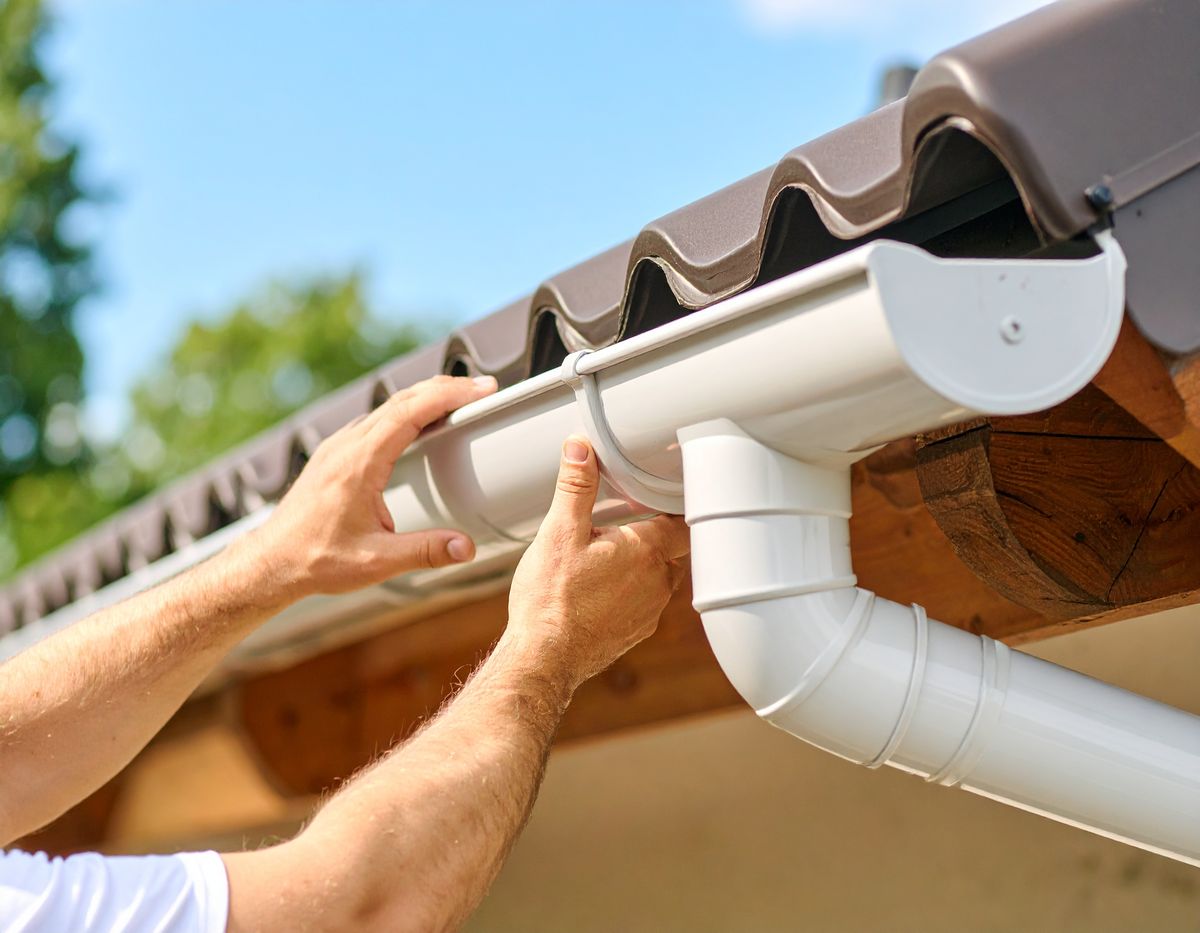
Brackets provide structural support for your gutters.
Installation Steps:
- Mark the slope: Use chalk to draw the slope line along the fascia.
- Position brackets: Place brackets 24–36 inches apart, starting from the low end.
- Drill pilot holes to prevent wood splitting.
- Secure brackets with corrosion-resistant screws.
Borough Tip: On commercial rooftops in the Bronx, use heavy-duty brackets for long gutter runs. On residential brownstones in Brooklyn, standard brackets suffice.
Step 4: Attach the Gutters
Once hangers are installed:
- Cut gutter sections to size.
- Place gutters into brackets. Ensure the gutter follows the marked slope.
- Connect sections using connector strips, screws, and sealant.
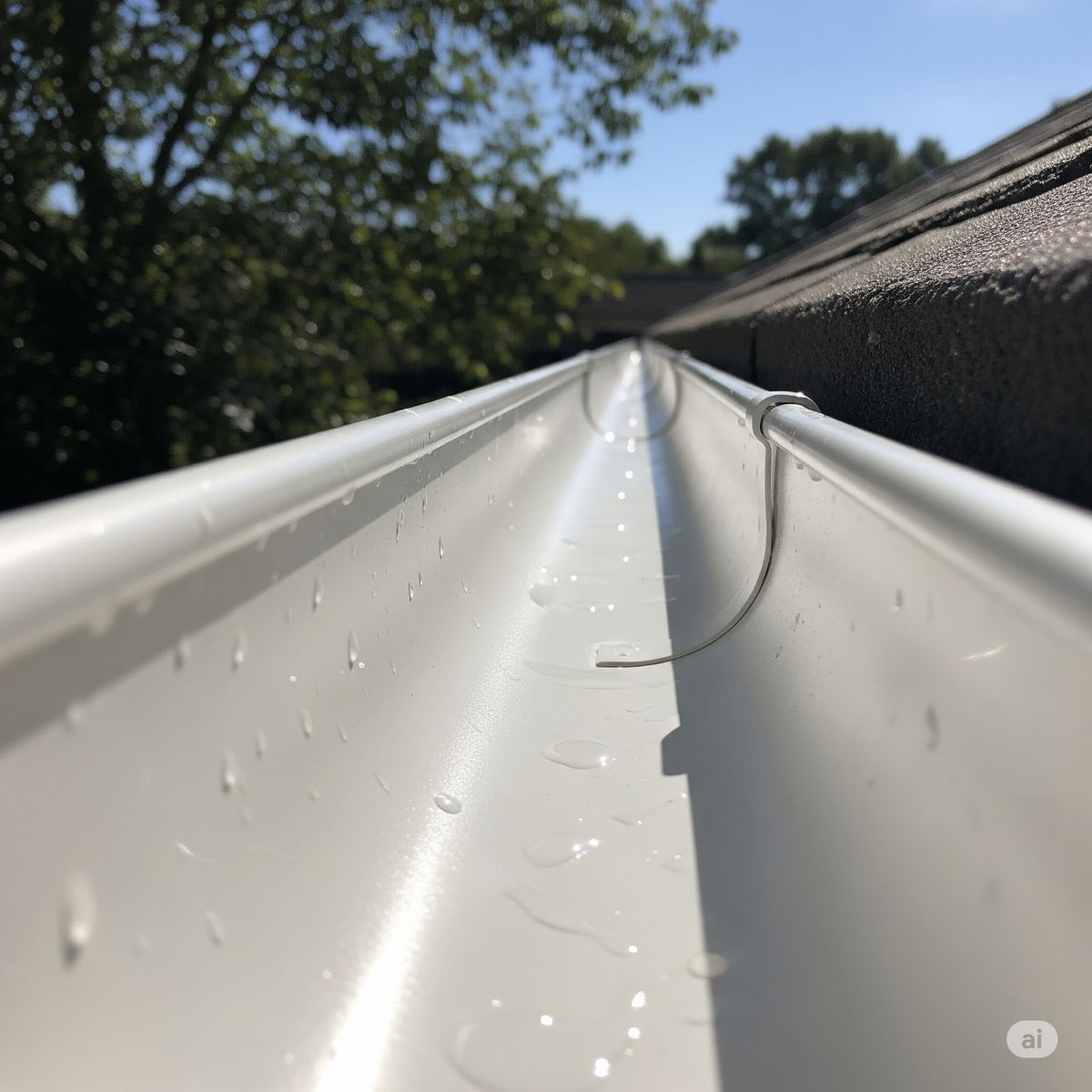
Seamless gutters are recommended in NYC—they minimize leaks and reduce maintenance.
Step 5: Install Downspouts
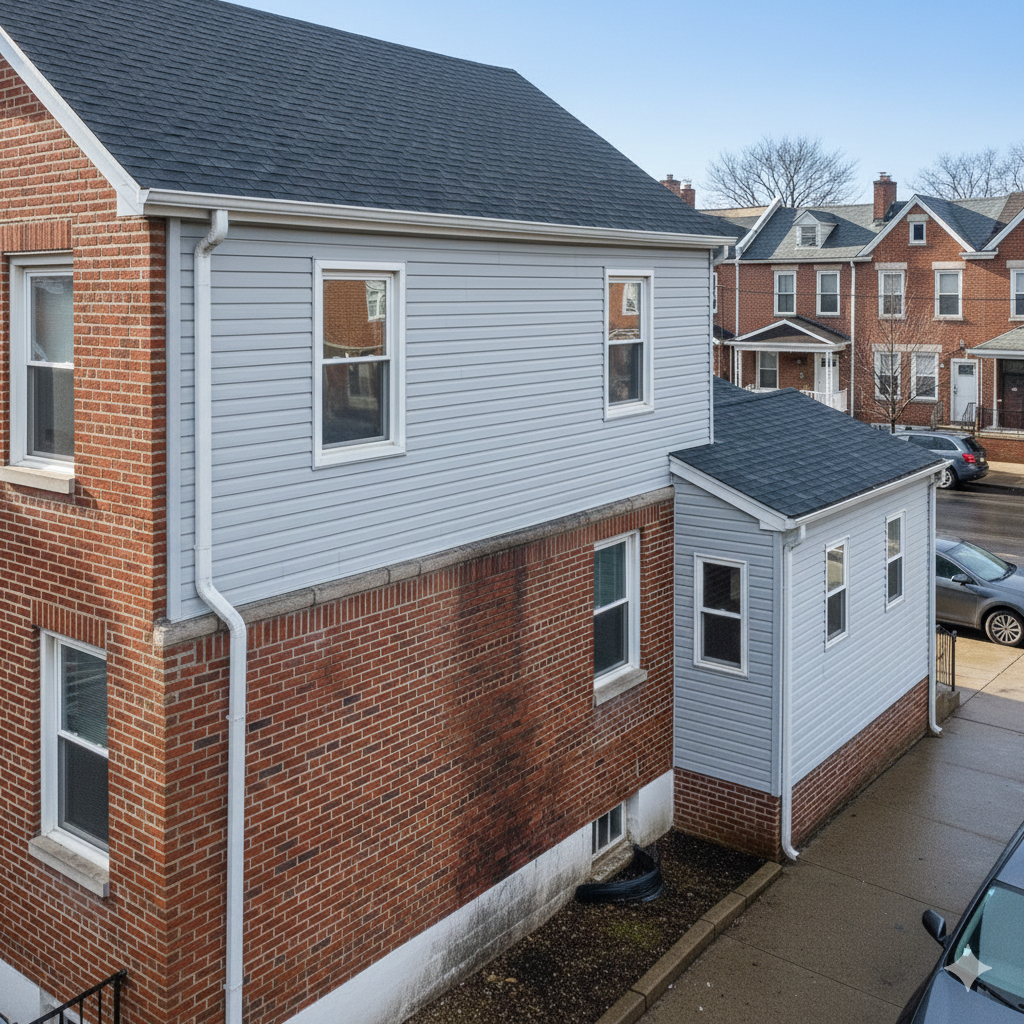
Downspouts direct water away from the building.
Steps:
- Attach elbows to gutter outlets.
- Secure downspouts to walls with brackets every 8–10 feet.
- Ensure the end of the downspout drains away from the foundation.
Borough-Specific Considerations:
- Manhattan: Direct water to storm drains or rooftop catchment systems.
- Queens & Staten Island: Use splash blocks to protect landscaping.
- Brooklyn: Ensure historic compliance with copper or half-round downspouts.
Step 6: Check for Proper Flow
Before finishing:
- Run water through the gutter system using a hose.
- Check for pooling or leaks at joints.
- Adjust slope or tighten brackets if necessary.
Pro Tip: Test after a heavy rain to ensure the system handles NYC’s precipitation efficiently.
Step 7: Maintenance Tips
Regular maintenance extends gutter life:
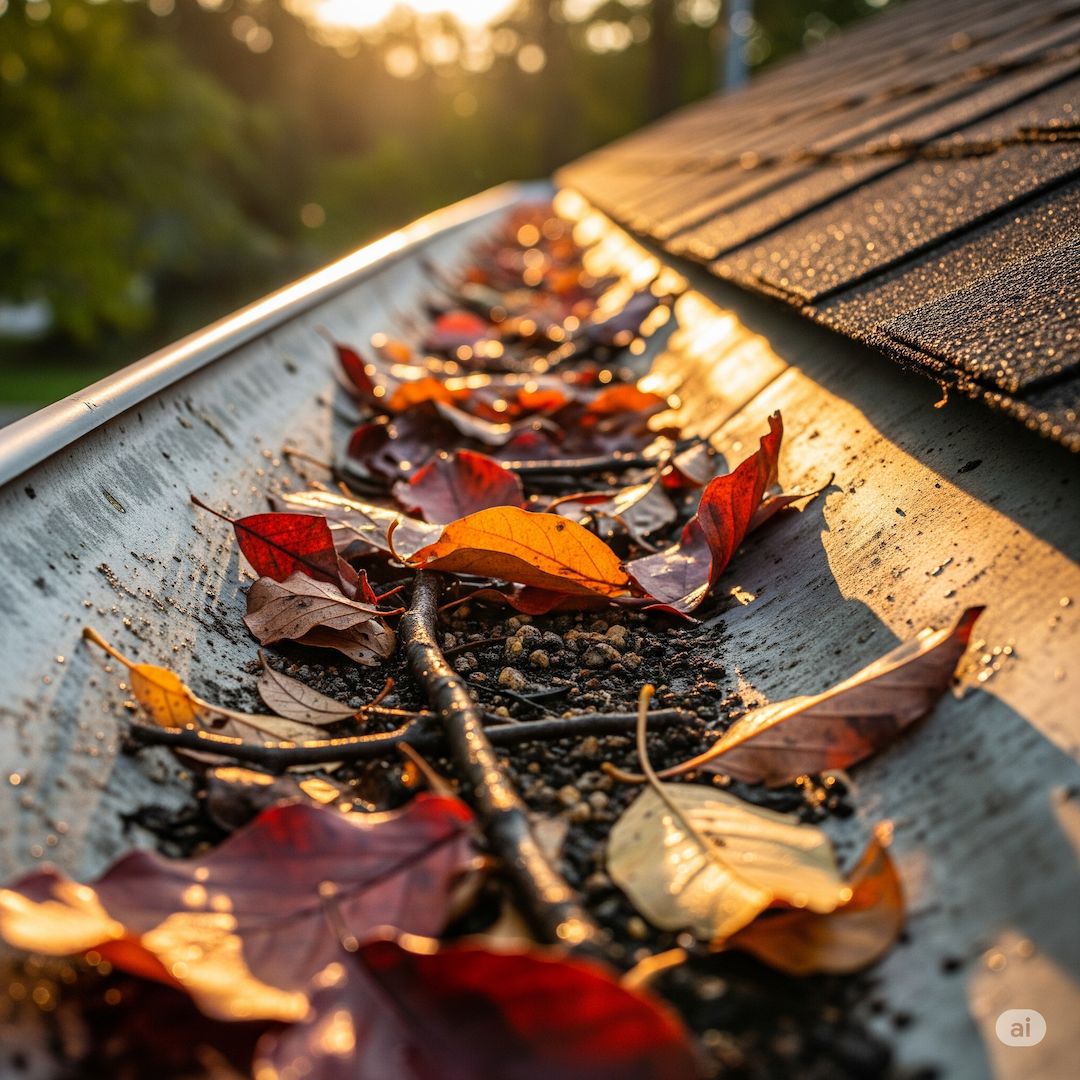
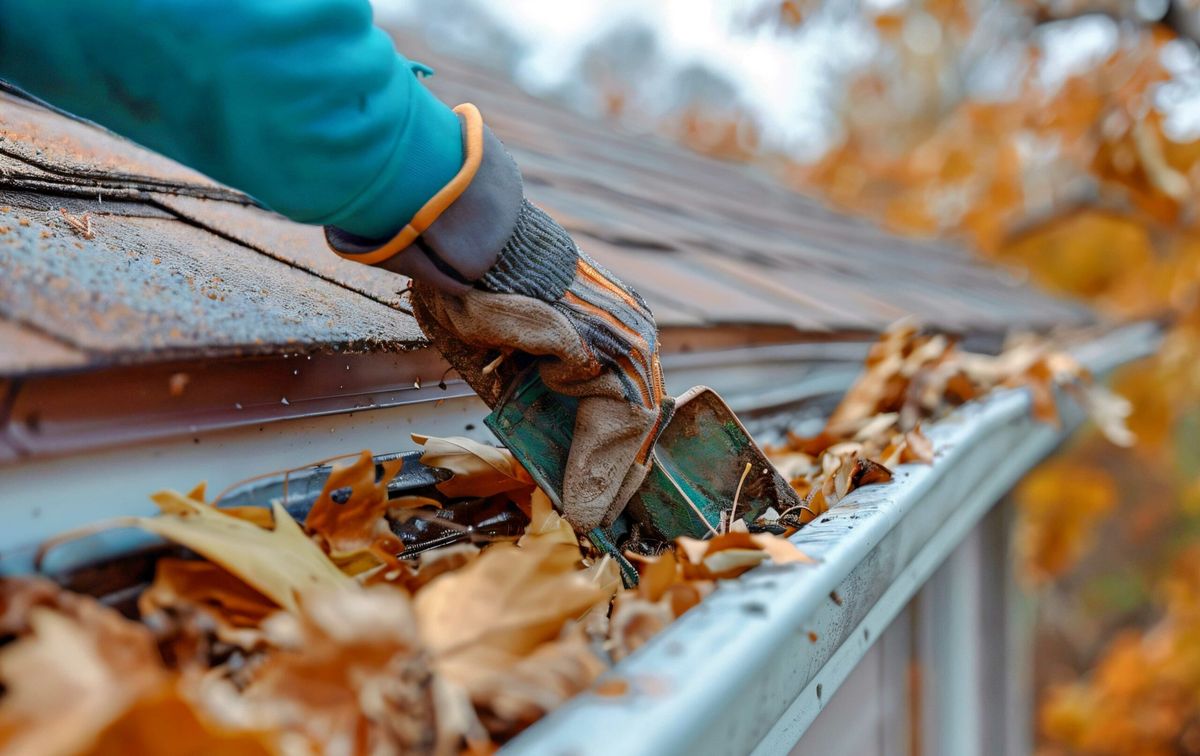
- Clean debris at least twice a year, especially in tree-lined areas of Brooklyn and Staten Island.
- Inspect brackets and screws for loosening or rust.
- Seal small leaks promptly with gutter sealant.
- Check downspouts for blockages or damage.
Commercial Maintenance: For high-rise and large buildings in Manhattan or Bronx, consider professional gutter cleaning services to reduce safety risks.
Troubleshooting Common Issues
- Sagging gutters: Often caused by too few brackets or corrosion—install additional brackets.
- Leaking seams: Reapply gutter sealant or replace connectors.
- Water pooling: Check slope; even small deviations can cause standing water.
- Clogged downspouts: Clear debris and add a leaf guard if trees are nearby.
FAQs – Hanging Gutters in NYC
Q1: Can I hang gutters myself?
Yes, for small residential projects. Large commercial jobs require professional installation due to safety and code requirements.
Q2: How many brackets per gutter?
One every 24–36 inches. Use more for heavy snow or rain areas.
Q3: How should gutters slope?
1/4 inch per 10 feet toward the downspout.
Q4: Are seamless gutters suitable for NYC?
Yes, they reduce leaks and improve aesthetics for homes and businesses.
Q5: How often should gutters be cleaned?
At least twice a year; more if near trees.
Q6: What materials work best for NYC?
Aluminum is common; copper and steel are ideal for commercial or historic properties.
Final Thoughts
Installing gutters correctly protects your property from water damage and ensures a long-lasting, efficient drainage system. In NYC, each borough has its own challenges—from tight Manhattan rooftops to tree-lined streets of Brooklyn and Staten Island. By following proper planning, installation, and maintenance practices, your gutter system will stand up to New York’s weather and urban conditions.
At Gutter NYC, we specialize in both residential and commercial gutter installation, serving all five boroughs. Properly installed gutters today prevent expensive repairs tomorrow and keep your property safe year-round.