Proper gutter installation is a cornerstone of property protection in New York City. Gutters channel rainwater away from your home or business, preventing water damage, foundation erosion, and basement flooding. One of the most overlooked yet critical aspects of gutter installation is the spacing of gutter hangers.
At Gutter NYC, we provide expert gutter services for both residential and commercial properties across Manhattan, Brooklyn, Queens, Bronx, and Staten Island. In this comprehensive guide, we’ll break down the ideal spacing for gutter hangers, how different materials and building types affect spacing, installation best practices, maintenance tips, and borough-specific considerations.
What Are Gutter Hangers and Why Are They Important?
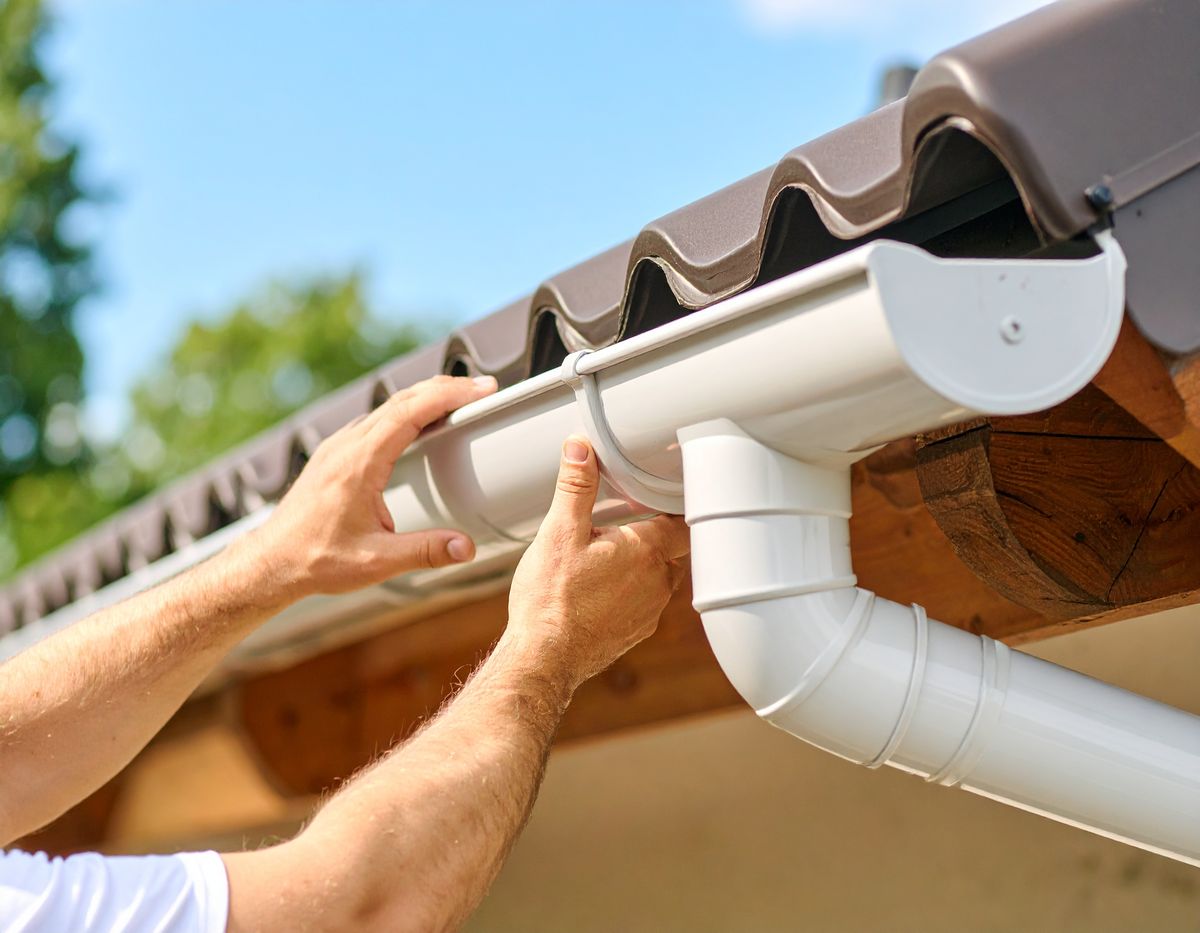
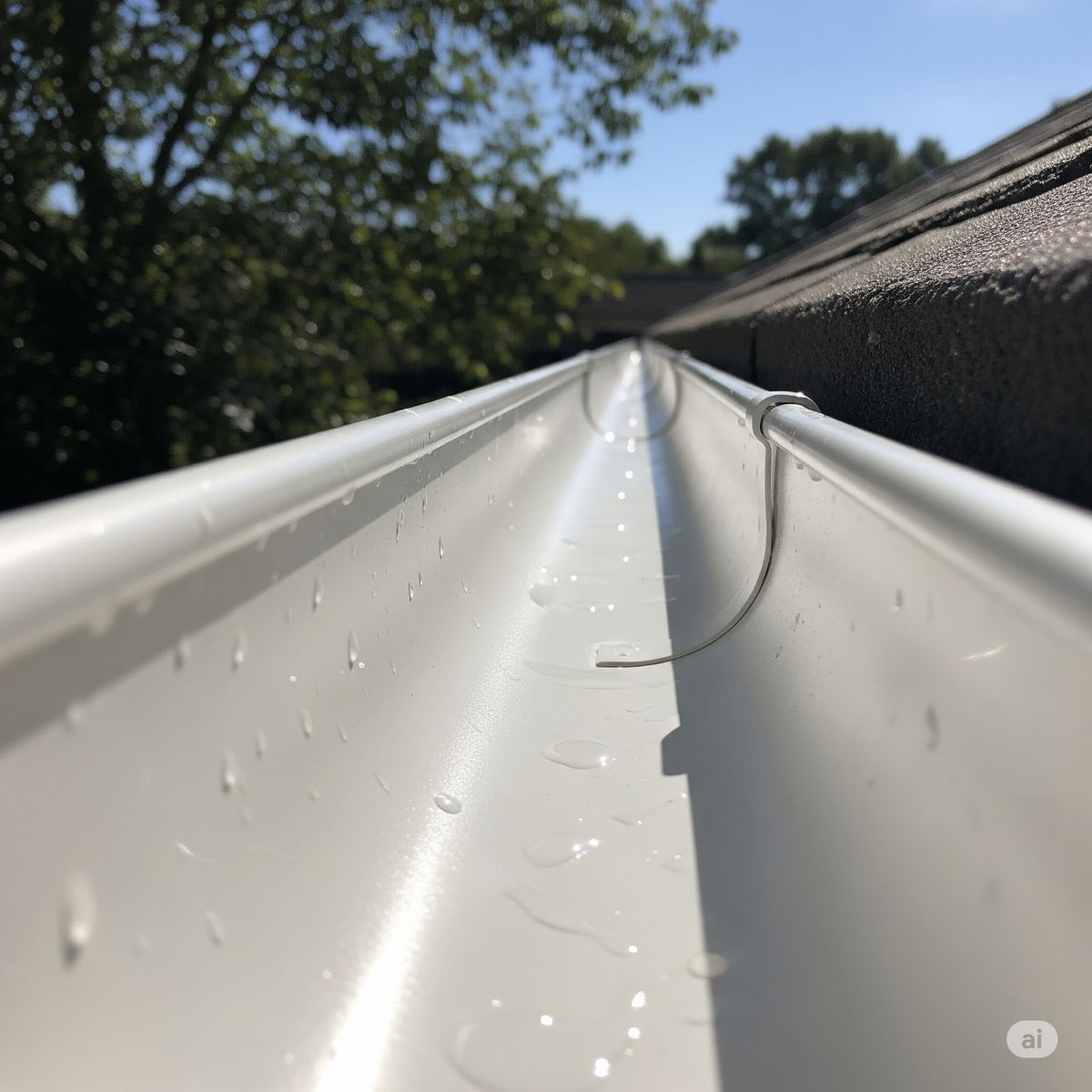
Gutter hangers, also known as gutter brackets or supports, are hardware components used to attach gutters securely to your roofline. They serve multiple purposes:
- Support the weight of the gutter – especially when full of water, ice, or debris.
- Prevent sagging or detachment – maintaining proper slope toward downspouts.
- Ensure longevity of the gutter system – uneven or improperly spaced hangers can lead to gutter failure.
- Protect property – well-supported gutters prevent water from overflowing and damaging walls, siding, and foundations.
Without properly spaced hangers, even the highest quality gutters can fail. This makes understanding how far apart gutter hangers should be essential.
Recommended Gutter Hanger Spacing
The spacing of gutter hangers depends on gutter material, roof type, and building size. Here are the general recommendations:
| Gutter Material | Recommended Spacing | Notes |
| Aluminum / Vinyl | 24–36 inches | Standard for most residential homes in NYC; aluminum is lightweight but can sag over long runs. |
| Copper / Steel | 18–24 inches | Heavy-duty materials require closer spacing to support weight. Ideal for commercial buildings or older homes with large roofs. |
| Commercial Heavy-Duty | 12–18 inches | Long gutter runs on office or warehouse buildings benefit from frequent hangers for structural integrity. |
Important Tip: For areas with heavy rainfall, snow, or ice accumulation—common in NYC winters—closer hanger spacing is recommended. Installing hangers every 18–24 inches can prevent gutter bending or detachment.
Factors Affecting Gutter Hanger Spacing
Several factors influence how far apart your hangers should be:
1. Roof Size and Slope
- Steeper roofs push water faster toward downspouts, increasing stress on hangers.
- Longer roofs may require closer hanger spacing to prevent sagging in the middle of the gutter run.
2. Gutter Material
- Lightweight materials like vinyl or standard aluminum can tolerate wider spacing.
- Heavy metals such as copper or steel need closer support, particularly for commercial installations.
3. Weather Conditions
- NYC winters bring ice and snow, adding weight to gutters.
- Summer storms and heavy rainfall can also test gutter durability. Proper hanger spacing ensures stability in all conditions.
4. Building Type
- Residential homes: 24–36 inches is usually sufficient.
- Commercial buildings: More frequent hangers (12–24 inches) are needed to support longer gutter runs and increased water flow.
5. Debris and Maintenance
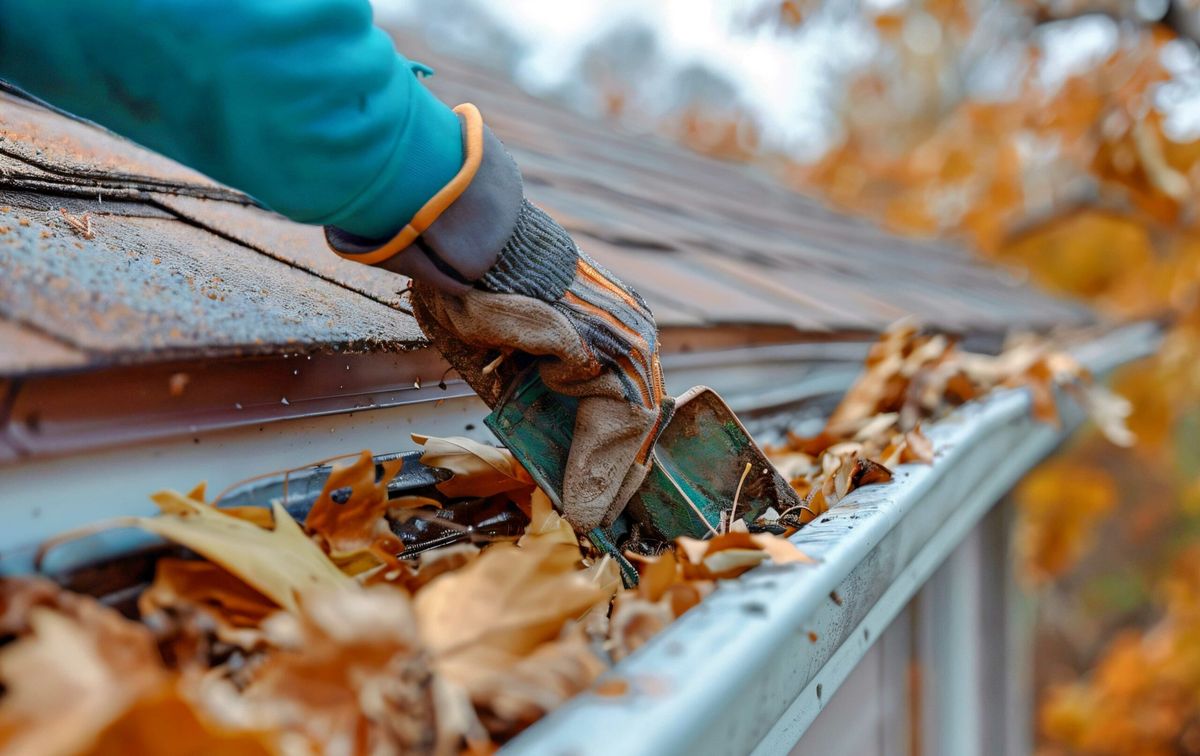
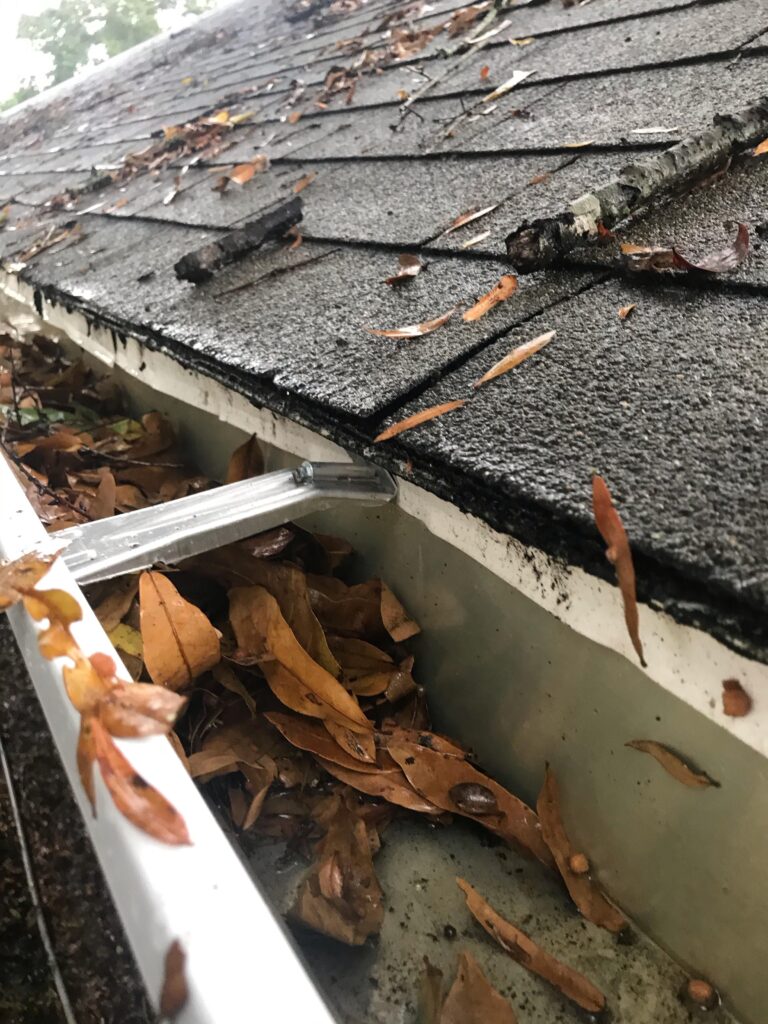
- Trees near your property increase the risk of clogging. Gutters with more frequent hangers can better handle added weight from leaves and debris.
Types of Gutter Hangers Used in NYC
Choosing the right hanger type is just as important as spacing:
- Hidden Hangers
- Installed inside the gutter.
- Provides a clean look and strong support.
- Ideal for commercial properties in Manhattan and high-end residential buildings.
- Spike and Ferrule Hangers
- Traditional method, especially in older homes in Brooklyn and Queens.
- Spikes are driven through the gutter into the fascia board.
- Requires occasional maintenance to ensure spikes remain tight.
- Fascia Brackets
- Heavy-duty support brackets mounted to the fascia.
- Excellent for larger gutters on commercial buildings or older Bronx properties.
- Can handle ice and snow loads efficiently.
- Adjustable Hangers
- Allows minor adjustments to slope for optimal drainage.
- Useful in NYC row houses with uneven rooflines.
How to Install Gutter Hangers Properly
Installing hangers correctly ensures gutters function efficiently and last longer. Here’s a step-by-step guide:
- Anchor Corners First: Place hangers at the ends and corners to secure the gutter before filling in intermediate hangers.
- Maintain Proper Slope: Ensure gutters slope ¼ inch per 10 feet toward downspouts for effective drainage.
- Install Intermediate Hangers: Space according to material and local weather conditions.
- Check Alignment: Ensure gutters are straight and level from a distance.
- Secure Fasteners: Use corrosion-resistant screws or hardware suitable for NYC climate conditions.
- Inspect Annually: Check hangers after winter or storms to prevent sagging or detachment.
Local NYC Considerations
Each borough presents unique challenges:
- Manhattan: Limited rooftop access; commercial rooftops with heavy equipment. Hangers must be spaced closer on long runs.
- Brooklyn & Queens: Many residential homes with wide eaves; lighter gutters can use standard spacing, but older properties may need reinforcement.
- Bronx: Older homes with wooden fascia boards may require heavier-duty hangers and more frequent spacing.
- Staten Island: Frequent snow load requires closer hanger spacing and robust materials for durability.
Local Tip: NYC properties exposed to street debris or tree cover benefit from more frequent hangers to prevent sagging due to accumulated leaves.
Common Mistakes to Avoid
- Spacing Hangers Too Far Apart: Causes sagging, water overflow, and gutter damage.
- Ignoring Material Weight: Using standard aluminum spacing for steel gutters can lead to failure.
- Skipping Maintenance: NYC weather and tree debris require regular inspections.
- Improper Slope: Even perfectly spaced hangers cannot compensate for a gutter that doesn’t slope correctly toward downspouts.
FAQs About Gutter Hanger Spacing in NYC
Q1: Can I space gutter hangers more than 36 inches apart?
A: For most residential aluminum gutters, this is not recommended. Wide spacing may cause sagging, water overflow, and structural failure.
Q2: How can I tell if my gutters need more hangers?
A: Signs include sagging sections, water pooling, or gutters pulling away from the fascia board.
Q3: Which type of hangers are best for NYC winters?
A: Heavy-duty fascia brackets or hidden hangers are ideal to support ice and snow loads.
Q4: Is DIY gutter hanger installation safe?
A: While possible for small residential projects, professional installation ensures correct spacing, slope, and long-term durability. Gutter NYC provides full-service installation across all NYC boroughs.
Q5: Does commercial property require closer hanger spacing?
A: Yes, commercial buildings with long gutter runs or heavy water flow often need hangers every 12–18 inches.
Why Choose Gutter NYC?
At Gutter NYC, we specialize in:
- Residential and commercial gutter installations
- Custom gutter hanger placement for maximum durability
- Borough-specific expertise for Manhattan, Brooklyn, Queens, Bronx, and Staten Island
- Seasonal maintenance and emergency repairs
Our goal is to ensure your gutters function perfectly year-round, protecting your property and investment.
Final Takeaways
Correct gutter hanger spacing is essential for gutter longevity and property protection. In NYC, consider:
- Material weight: Aluminum vs. steel or copper
- Roof size and slope: Longer, steeper roofs require closer spacing
- Local weather: Snow, ice, and rainfall affect spacing needs
- Building type: Residential vs. commercial properties
Following the recommended spacing of 12–36 inches depending on material and location will ensure your gutters remain secure and efficient. For professional, borough-specific gutter solutions, trust Gutter NYC.