Rainwater management is one of the most critical aspects of property maintenance in New York City. Installing a gutter downspout correctly ensures that water is effectively channeled away from your building, protecting your foundation, walls, and landscaping. At Gutter NYC, we specialize in professional gutter installation and maintenance across Manhattan, Brooklyn, Queens, Bronx, and Staten Island, helping both residential and commercial property owners prevent costly water damage.
This comprehensive guide will walk you through everything you need to know about gutter downspout installation, including planning, tools, materials, installation steps, maintenance, and NYC-specific considerations.
Why Downspout Installation Is Critical
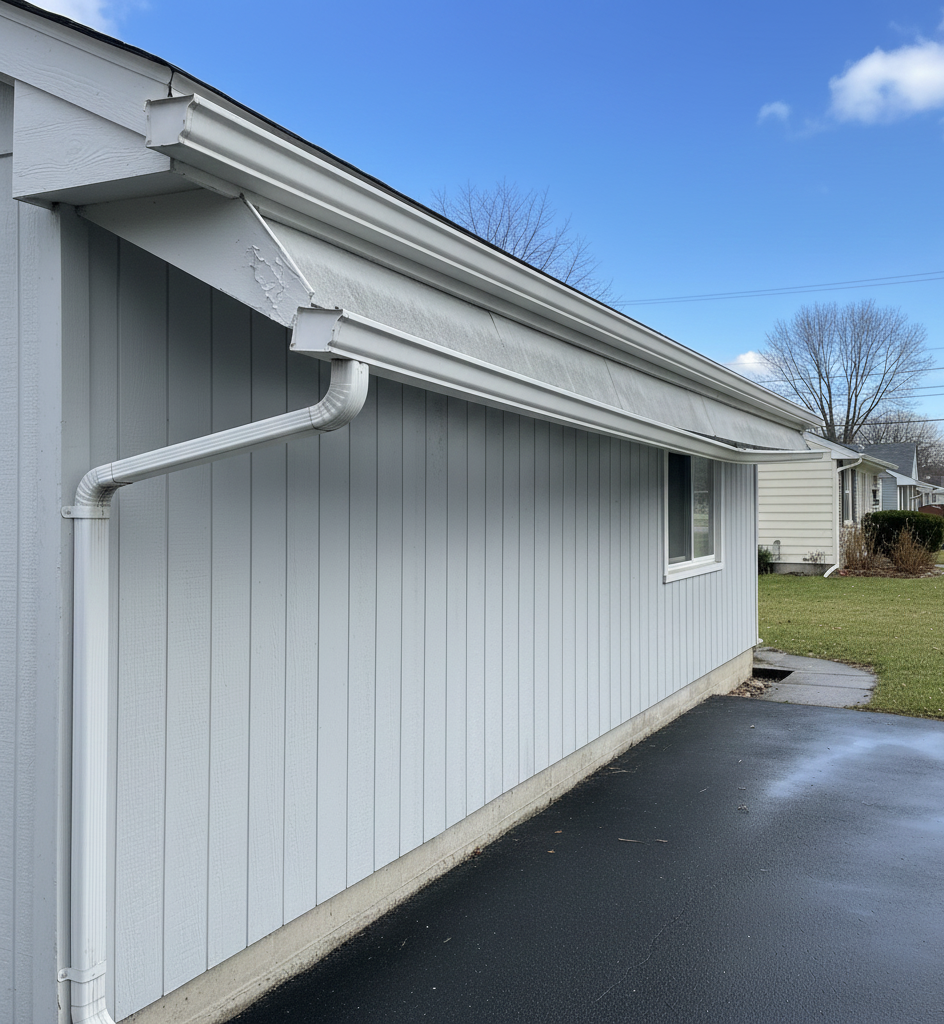
A downspout is the vertical pipe that connects the gutter to the ground or drainage system. When installed incorrectly, water can accumulate near the foundation, leading to:
- Basement leaks and flooding
- Cracked foundations and masonry damage
- Erosion of soil around the building
- Damage to landscaping and exterior paint
- Ice dams in the winter in NYC
For commercial properties, improper water drainage can also affect sidewalks, parking lots, and tenant safety, leading to potential legal liabilities.
Materials and Tools Needed
Before you start, ensure you have the right materials and tools:
Materials:
- Gutter downspout (aluminum, copper, or PVC)
- Downspout elbows (for corners and obstacles)
- Brackets or straps
- Screws and wall anchors
- Sealant or gutter caulk
- Splash blocks or extensions to guide water away
Tools:
- Measuring tape and level
- Pencil or chalk for marking
- Hacksaw or tin snips
- Drill with masonry or wood bits
- Ladder (for taller buildings, ensure it’s stable)
- Gloves and safety goggles
For commercial or multi-story buildings, scaffolding or professional lift equipment may be required for safety.
Step-by-Step Guide to Installing a Gutter Downspout
Step 1: Plan the Location
Choose the best location for your downspout to ensure water is directed away from the foundation. Key considerations:
- Corners of the building are standard.
- Ensure the outlet does not block sidewalks (NYC regulations).
- Consider connection to storm drains or rainwater harvesting systems.
NYC borough-specific tips:
- Manhattan: Buildings are close together; consider vertical alignment and avoid sidewalk interference.
- Brooklyn & Queens: Homes often have sloped yards; position downspouts to direct water to the lowest point.
- Bronx: Many older buildings have brick exteriors; choose anchors suitable for masonry.
- Staten Island: Properties often have larger yards; use longer extensions for optimal drainage.
Step 2: Measure and Mark
- Measure the distance from the gutter outlet to the ground.
- Mark the wall where brackets will go (every 3–4 feet).
- Mark the location for elbows if the downspout needs to change direction.
Step 3: Cut and Assemble the Downspout
- Use a hacksaw or tin snips to cut the downspout to the correct length.
- Attach elbows to navigate around corners or obstacles.
- Dry-fit the entire assembly to check alignment.
Ensure that the bottom of the downspout is at least 3–4 feet away from the building to prevent foundation damage.
Step 4: Secure Downspout to Wall
- Drill holes at bracket locations.
- Use screws and wall anchors to attach the brackets securely.
- Place the downspout in brackets and tighten.
- Ensure the downspout is slightly angled to allow smooth water flow.
For heavy-duty commercial gutters, use reinforced brackets and additional anchors to handle larger water volumes.
Step 5: Connect Downspout to Gutter
- Apply sealant around the gutter outlet to prevent leaks.
- Fit the top of the downspout into the gutter outlet and secure with screws.
Step 6: Direct Water Away from Building
- Attach a splash block or flexible extension to direct water 3–6 feet away from the foundation.
- For commercial buildings, consider connecting downspouts to underground drainage pipes to prevent pooling on sidewalks or parking areas.
Common Challenges in NYC and Solutions
- Brick exteriors (Bronx, Manhattan)-Use masonry anchors or expansion bolts for secure attachment.
- Tight urban spaces-Elbows and flexible extensions help navigate obstacles like HVAC units or stoops.
- Heavy rainfall areas (Queens, Staten Island): Ensure the downspout diameter is large enough to handle peak rainfall.
- Ice formation in winter-Slope downspouts slightly and maintain gutters to prevent ice dams.
Maintenance Tips
Proper maintenance prolongs the life of your downspouts:
- Clean gutters and downspouts at least twice a year.
- Check for clogs, rust, or leaks.
- Inspect brackets and screws to ensure stability.
- For commercial properties, schedule routine inspections before the rainy season.
Frequently Asked Questions (FAQs)
Can I install a gutter downspout myself?
Yes, for small homes, DIY installation is possible. For multi-story buildings or commercial properties, hiring professionals like Gutter NYC ensures safety and compliance with NYC building codes.
How many downspouts does my building need?
A general rule is one downspout every 20–30 feet of gutter. Larger commercial buildings may require more to handle heavy rainfall.
Q3: What is the best material for NYC downspouts?
- Aluminum: Lightweight, rust-resistant, affordable.
- Copper: Durable, premium look, long-lasting.
- PVC: Budget-friendly but less durable in extreme weather.
Do I need a permit for installation in NYC?
Residential downspout installation typically doesn’t require a permit. Commercial or multi-unit buildings may need approval from the NYC Department of Buildings.
How can I prevent ice dams in winter?
Ensure gutters and downspouts are clean, properly sloped, and insulated at roof edges. Consider heated cables for large commercial roofs.
Can downspouts connect to rain barrels or storm drains?
Yes. Downspouts can be redirected to rainwater harvesting systems or NYC stormwater drains. Ensure proper slope and check local regulations.
Why Hire Gutter NYC?
With years of experience across Manhattan, Brooklyn, Queens, Bronx, and Staten Island, Gutter NYC provides:
- Professional installation for residential and commercial buildings
- Expert maintenance and repair services
- Durable solutions designed for NYC’s climate and architecture
- Compliance with local building codes
Our team ensures your gutter downspouts are installed correctly, preventing costly water damage and enhancing the longevity of your property.
Conclusion
Installing a gutter downspout correctly is essential for protecting your NYC property from water damage. With careful planning, the right materials, and professional guidance, you can ensure efficient water drainage for both residential and commercial buildings. For expert installation and maintenance services in all NYC boroughs, trust Gutter NYC, your local gutter specialists.