Gutters are one of the most important yet overlooked parts of a building, whether it’s a commercial property in Downtown Manhattan or a townhouse in Brooklyn. They channel rainwater away from your roof and foundation, protecting your property from water damage, mold, and costly repairs.
However, gutters can easily get clogged with leaves, twigs, and debris, especially in a city like New York, where trees and seasonal storms are common. Gutter guards are the ideal solution to reduce maintenance, improve water flow, and extend the life of your gutters.
At Gutter NYC, we specialize in high-quality gutter guard installation for both residential and commercial properties across all five boroughs — Manhattan, Brooklyn, Queens, Bronx, and Staten Island. This guide is a comprehensive, step-by-step walkthrough for installing gutter guards, including local tips, commercial insights, and FAQs to help NYC property owners make the right choice.
Why Install Gutter Guards?
Installing gutter guards is a proactive way to protect your home or business. The benefits include:
- Reduced Maintenance: No more climbing ladders multiple times per year to clean gutters.
- Prevents Water Damage: Keeps rainwater flowing properly, reducing risks of foundation issues, basement flooding, and roof damage.
- Protects Against Pests: Guards prevent birds, rodents, and insects from nesting in clogged gutters.
- Increases Gutter Lifespan: Reduces rust, corrosion, and wear caused by debris accumulation.
- Saves Money: Less frequent repairs and replacements over time.
For commercial buildings in Manhattan or Bronx, gutter guards are especially important. Heavy rainfall and large roof surfaces make clogged gutters a serious problem, and a single overflow can damage business operations or neighboring properties.
Types of Gutter Guards
Different types of gutter guards are suited for different needs. Choosing the right type ensures optimal performance:
- Mesh Guards:
- Made of metal or plastic with fine holes.
- Blocks small debris while allowing water to flow.
- Ideal for Queens homes with leafy surroundings.
- Made of metal or plastic with fine holes.
- Reverse Curve Guards:
- Uses a curved surface to direct water into gutters.
- Leaves slide off the edge.
- Recommended for Manhattan commercial properties due to heavy rainfall runoff.
- Uses a curved surface to direct water into gutters.
- Bottle Brush Guards:
- Long bristles fit inside gutters.
- Traps debris while letting water pass.
- Suitable for residential homes in Brooklyn.
- Long bristles fit inside gutters.
- Foam Guards:
- Lightweight foam inserts placed inside the gutter.
- Blocks debris but can be prone to clogging over time.
- Good for smaller properties or areas with minimal tree coverage.
- Lightweight foam inserts placed inside the gutter.
Tip: For NYC, stainless steel mesh or heavy-duty reverse curve guards are most durable against storms, wind, and urban debris.
Tools and Materials Needed
Before installing gutter guards, gather the following tools and materials:
- Ladder (extendable for multi-story buildings)
- Gloves and safety goggles
- Tin snips or hacksaw (for cutting guards to length)
- Screws or clips for securing guards
- Measuring tape
- Ladder stabilizer (recommended for commercial installations)
- Garden hose (for testing water flow)
Safety first: If your building is taller than 2 stories or you are working on a commercial property in Manhattan, professional installation is strongly recommended.
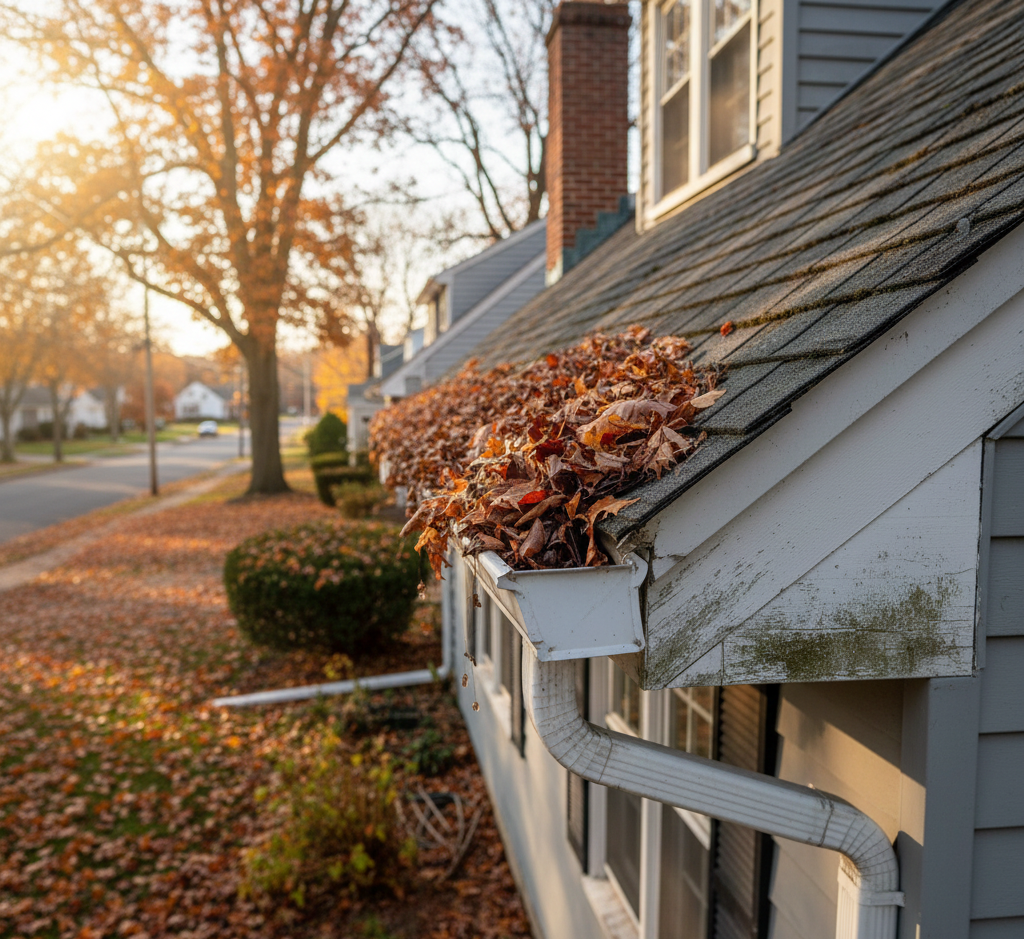
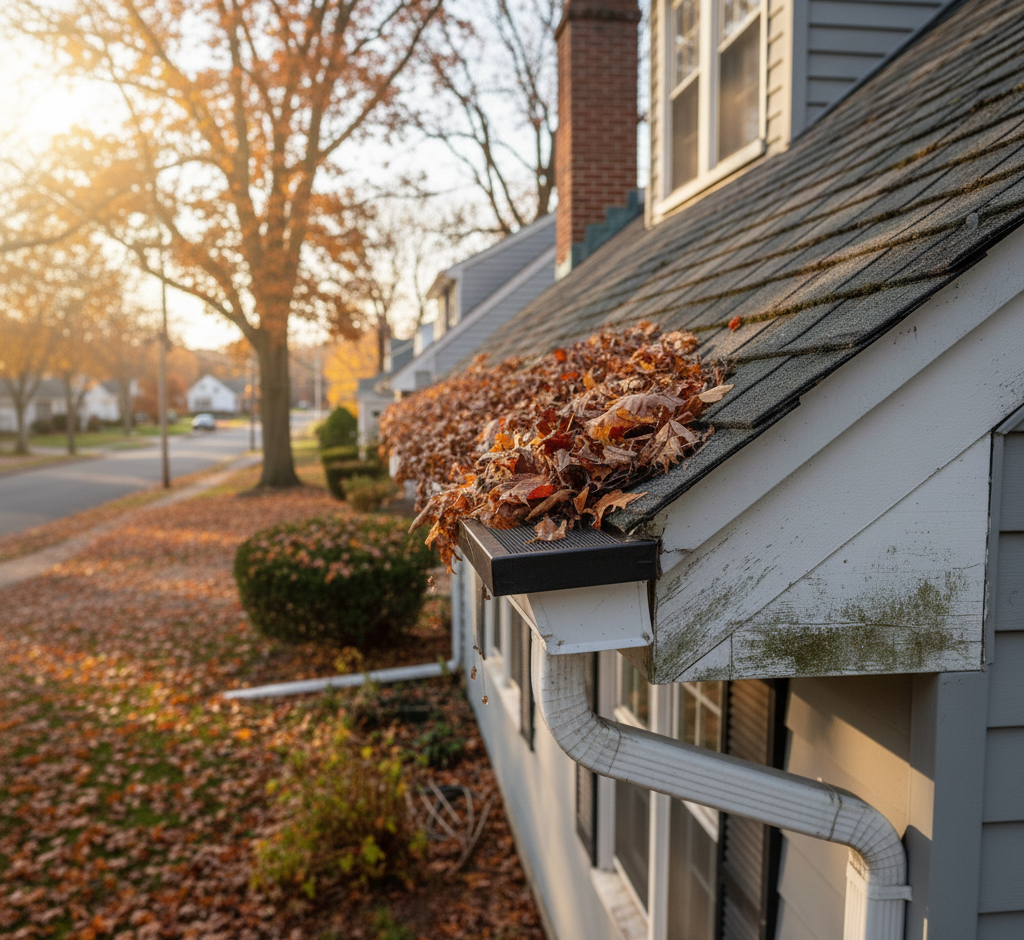
Step-by-Step Guide to Installing Gutter Guards
Step 1: Inspect Your Gutters
- Remove all leaves, twigs, and debris from the gutters.
- Check for rust, leaks, or loose sections.
- Repair any damage before installing guards to ensure a long-lasting solution.
Step 2: Measure and Cut
- Measure the length of each gutter section.
- Cut the guards to fit using tin snips (mesh or metal) or a hacksaw (plastic).
- Double-check measurements for corners and downspouts.
Step 3: Install the Guards
- Mesh guards: Lay them flat over the gutter and secure with screws or clips.
- Reverse curve: Align the guard’s lip with the edge of the gutter and snap into place.
- Bottle brush: Place inside the gutter, ensuring bristles extend evenly to cover the full width.
- Ensure all sections are tightly connected without gaps.
Step 4: Test Water Flow
- Use a garden hose to simulate rain.
- Confirm water flows smoothly and debris slides off.
- Adjust as necessary to prevent water spilling over the edges.
Step 5: Regular Maintenance
- Even with guards, check twice a year.
- Remove any small debris that may accumulate.
- Inspect after strong storms to ensure stability.
Borough-Specific Tips
Manhattan
- Commercial buildings require professional installation.
- Reverse curve guards are ideal for high rooftops and heavy rain.
Brooklyn
- Older homes may need custom-fit guards to match historic gutters.
- Mesh guards work best in leafy neighborhoods like Park Slope.
Queens
- Dense tree coverage means finer mesh guards prevent frequent clogs.
- Consider seasonal maintenance in autumn when leaves fall.
Bronx
- Storm-prone areas benefit from heavy-duty metal guards.
- Inspect gutters after hurricane season.
Staten Island
- Coastal weather may lead to rust.
- Stainless steel guards last longer in salty, humid conditions.
DIY vs Professional Installation
DIY:
- Works for small residential properties.
- Requires careful measurements and safety precautions.
- Can save money upfront but is time-consuming.
Professional Installation (Recommended for NYC):
- Safe for multi-story buildings.
- Proper tools and materials ensure long-lasting performance.
- Gutter NYC offers borough-specific installation, ensuring gutters stay clear year-round for homes and commercial properties.
Cost Considerations
Costs vary based on:
- Type of guard: Mesh, reverse curve, foam, or bottle brush
- Gutter length and roof complexity
- Residential vs commercial property
Average NYC prices:
- Residential: $7–$12 per linear foot
- Commercial: $10–$20 per linear foot
Professional installation ensures proper slope, alignment, and durability, especially important for large commercial roofs in Manhattan or Bronx.
Common Mistakes to Avoid
- Installing without cleaning gutters first
- Using the wrong type of guard for your property
- Failing to secure guards properly
- Skipping inspections after storms
- Choosing cheap materials that rust or warp
Avoiding these mistakes ensures your gutter guards work efficiently for years.
FAQs About Gutter Guards
1. Can I install gutter guards myself?
Yes, but high-rise or commercial installations in NYC should be done by professionals for safety and compliance.
2. How often should gutter guards be cleaned?
Inspect twice a year, ideally after fall and spring.
3. Do gutter guards work in heavy rain?
Yes, quality guards direct water while keeping debris out. Reverse curve and mesh guards perform best in NYC.
4. Which gutter guards are best for commercial properties?
Reverse curve or stainless steel mesh guards provide durability and handle large roof areas.
5. Are gutter guards worth the investment?
Absolutely. They reduce maintenance, prevent water damage, and increase gutter lifespan, saving money long-term.
6. Can gutter guards prevent ice dams in winter?
They help by keeping gutters clear, but proper roof insulation is also needed to prevent ice dams.
Why Choose Gutter NYC?
At Gutter NYC, we are committed to providing high-quality, long-lasting gutter solutions for both homes and commercial properties in all NYC boroughs.
Our services include:
- Free on-site consultations in Manhattan, Brooklyn, Queens, Bronx, and Staten Island
- Professional installation using commercial-grade materials
- Maintenance and inspection services for year-round efficiency
- Custom solutions for residential and commercial properties
Protect your property from costly water damage and enjoy hassle-free gutters with Gutter NYC, the trusted experts in gutter guard installation across New York City.
One Response